Exhibitions


Permanent Exhibitions
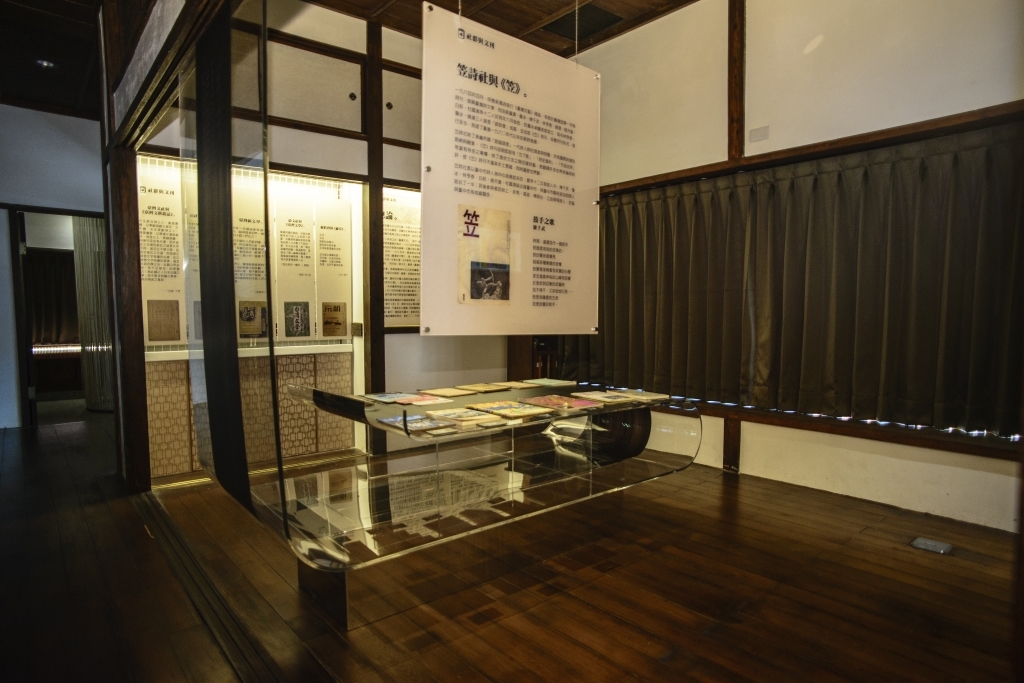
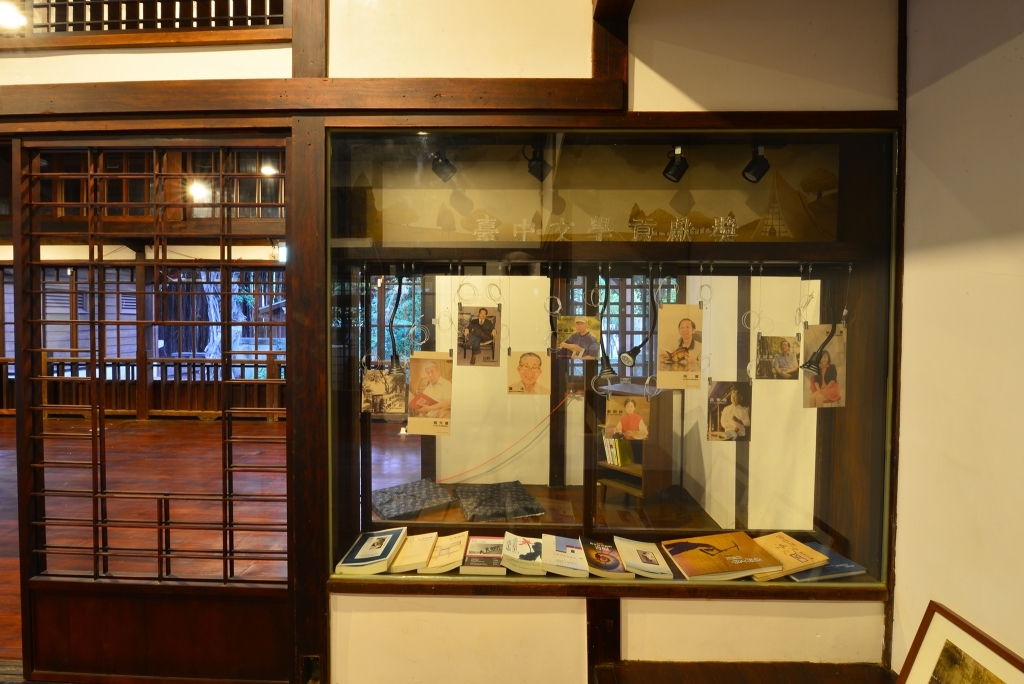
The building for director-general of Police Agency is the biggest and most exquisite of all quarters on the premises, and it also has symbolic importance. The theme for the exhibitions in the building is "time", including the origin and events related to Taichung literature, literary organizations and publications, a cradle of literature, cares and criticism from society, and Awards of contribution to Taichung Literature.
- A Chronicle of Events of Taichung Literature
Modern Taichung literature originated from the Lu Family in Shengang, Taichung, and the establishment of the Li Society.Tracing literature waterfall surrounding the oak tree, let the chronicles brings back memories about Taichung literature,so to explore the events, progress milestone, and inspiring power of Taichung literature. - Poetry about the Construction of Taichung
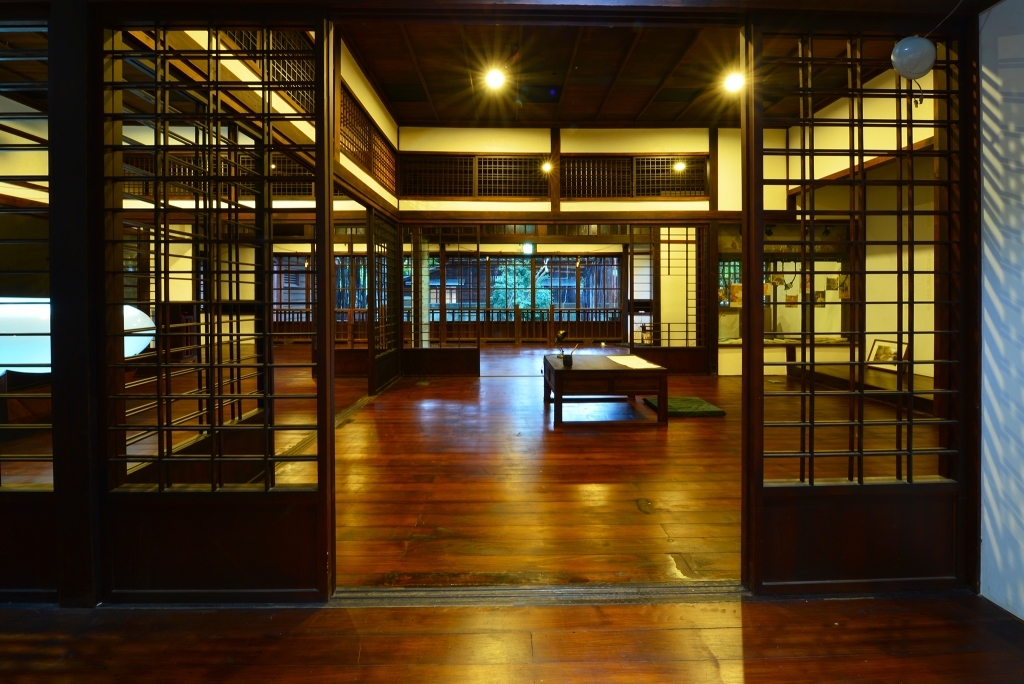
On the table in this area, there is a copy of the poetry New City in Dadun written by classic poet Dun-li Lu. The poetry describes in a simple but powerful manner how Taichung pioneered the trend of modern literature that swept across Taiwan. The setting and the Subcostate crape myrtle in the backyard highlight the literary and story-based atmosphere in the historical space, allowing you to experience the unique elegance of Taichung. - A Cradle of Taichung Literature
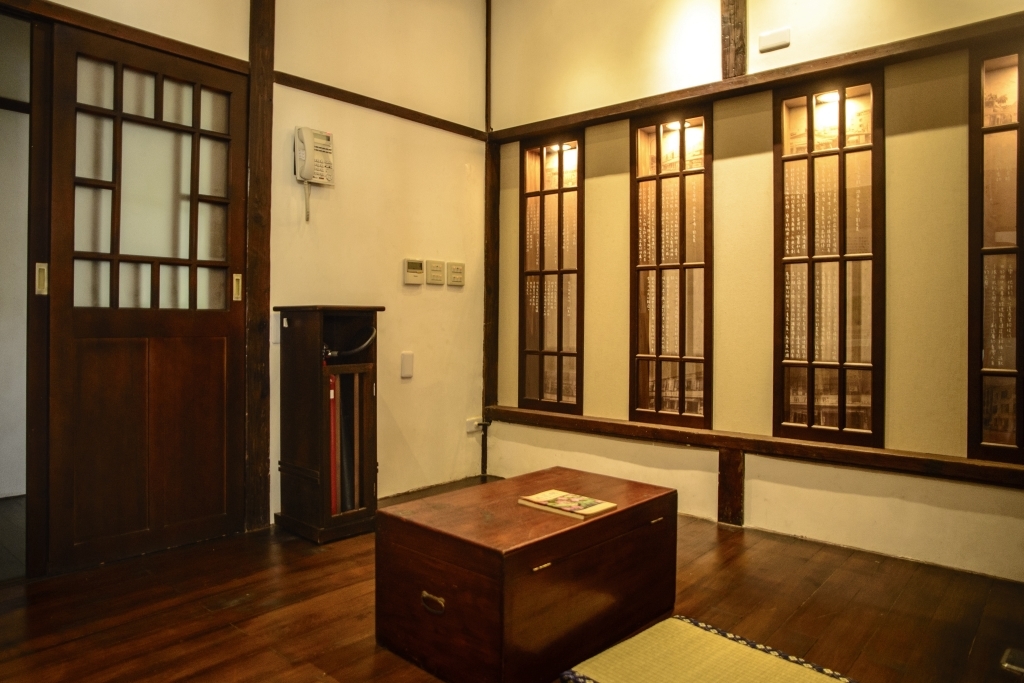
The suitcase in this area presents writers’ life and writing backgrounds of Taichung literature. It shows how literary organizations inside and outside of the system nurtured students in Taichung, and how local and non-local writers and scholars exchanged ideas with one another to promote numerous literary and cultural activities, as well as to cultivate many outstanding writers, thus accumulating a considerable sum of literary achievements and giving rise to the diversified Taichung literature. - Care and Criticism of Literature
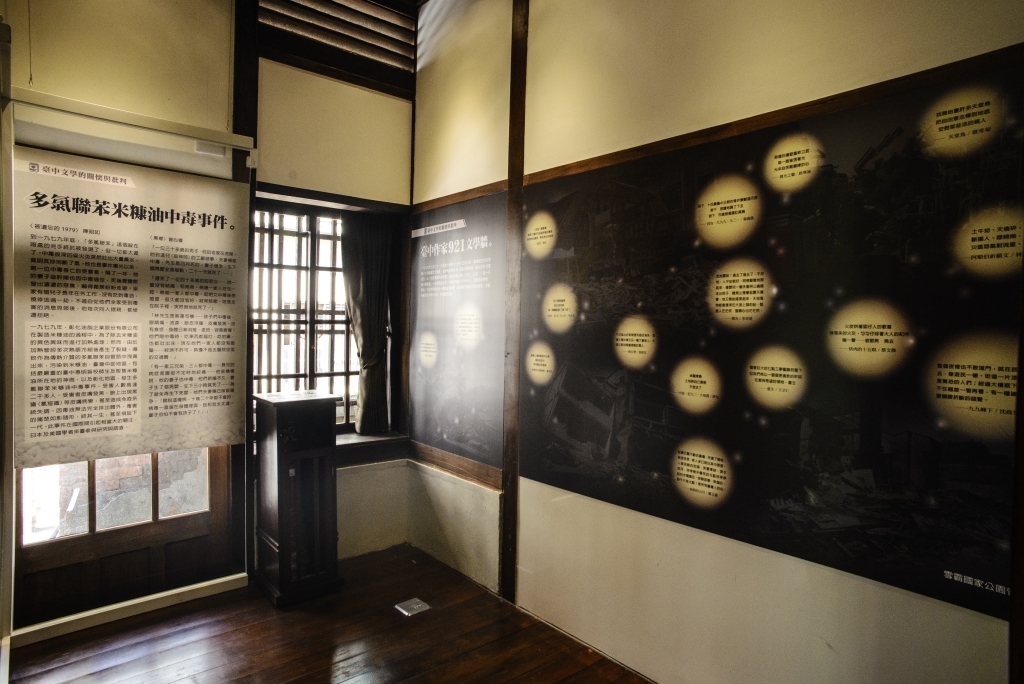
This area introduces important events in the history of Taichung literature, as well as the impact of changes in political regimes and colonization by dominant cultures poses on those litterateurs. In the letters sent from their hideouts, exiled writes spoke about their aspirations and care for their families. Daring not to let others know about the existence of these letters, the recipients could only read them in kitchens and immediately burned them in kitchen ranges after reading them. Through the letters to their families, we will see how the litterateurs made their voices heard in society with their willpower and seemingly powerless words. At the same time, and we can also feel the mournful crying of their families.